Rope photography
Lens, distance and the shape of a body
By Tomas Berg, Rope photographer Published 9 September 2026
Focal length is a decision about proportion and about viewer position, not about how much fits in the frame. Wide lenses used close enlarge whatever is nearest the camera, which in a rope photograph is usually a knee or a shoulder, and they stretch the corners where limbs tend to sit. A short telephoto compresses the figure into something closer to how the eye reads a body and separates it from the background, but it forces the photographer several metres back, which most rooms do not allow. Nearly every lens complaint in this genre is actually a room complaint.
This site writes about rope as an image, and it publishes no tying instructions: no steps, no named ties given as method, nothing to follow. Rope on a body carries real physical risk, and anyone who wants to learn it should learn in person, slowly, from experienced teachers.
Lens conversations in photography are usually conversations about how much fits in the frame. For this subject that is the least important thing a lens does. Focal length decides the proportions of the body in the picture and where the viewer feels they are standing, and both of those change what the photograph is about.
Distance is what distorts, and rope images invite it
The enlargement of near features is caused by proximity to the subject, not by the glass. A wide lens is implicated only because it lets you stand close enough for the effect to be severe while still fitting the figure in.
Rope photography walks straight into this. A bound figure is often arranged with something projecting towards the camera: a knee, a shoulder, a foot, a head tipped forward. Photograph that from a metre away on a wide lens and the projecting part arrives enormous while everything behind it recedes. The picture reads as a caricature, and the usual diagnosis, that the lens is bad, is wrong. The camera was too close.
The corners are the second casualty. Wide lenses stretch objects towards the edges of the frame, and a spread limb in the corner of the picture will be smeared into something longer and thicker than it was. Since limbs at the edges of the frame are close to a definition of this genre, the two problems compound.
The short telephoto and what it buys
Moving back and lengthening the lens for the same framing does three things at once.
Proportion normalises. The relationship between near and far parts of the body approaches what an observer standing in the room would see, which is what makes a figure read as a figure rather than as a diagram.
The background compresses and quietens. A longer lens takes in a narrower slice of what is behind the subject, so an untidy room becomes a small untidy patch, and often the patch can simply be excluded by moving half a metre sideways. This is a more reliable fix than blurring, and it costs nothing but floor.
And the viewer’s implied position changes. A long lens puts the audience across the room, watching. A wide lens close in puts them inside the arrangement. Both are legitimate positions, and the second one is far more often arrived at by accident than chosen.
The room is the real constraint
Here is the part that does not appear in lens recommendations. A short telephoto framing a standing figure needs several metres of clear floor between the camera and the subject, and then it needs the photographer to be able to move sideways and still have the shot. Very few of the rooms this work happens in offer that.
So the practical situation is a compromise, and it is better made deliberately than discovered halfway through a session. If the room is small, the options are to shoot tighter and give up the full figure, to shoot from a corner along the diagonal, which is usually the longest sightline available, or to accept a wider lens and keep the subject in the middle third of the frame where the stretching is mildest.
Shooting seated or floor level arrangements helps more than anything else, because a subject occupying a smaller volume needs less distance to frame. This is one of the quiet reasons floor work photographs so well in ordinary spaces, a point floor or air takes up on compositional rather than practical grounds.
Close focus is worth more than a focal length
A large share of good rope photography is detail work: a crossing on a shoulder, fibre against a collarbone, a hand and a line. For that, the relevant specification is how close the lens will focus and how it renders at that distance, not what number is on the barrel.
Two practical notes. Depth of field collapses at close range, so a detail shot wide open will hold perhaps a centimetre. If the picture is about a line travelling across a surface, that is not enough, and the aperture has to close until the whole of the line is described. And working close puts the camera and the photographer’s body between the light and the subject, which is how a carefully raked setup gets shadowed by the person using it. The lighting logic in lighting rope for photography assumes nothing is standing in the beam.
Aperture, honestly
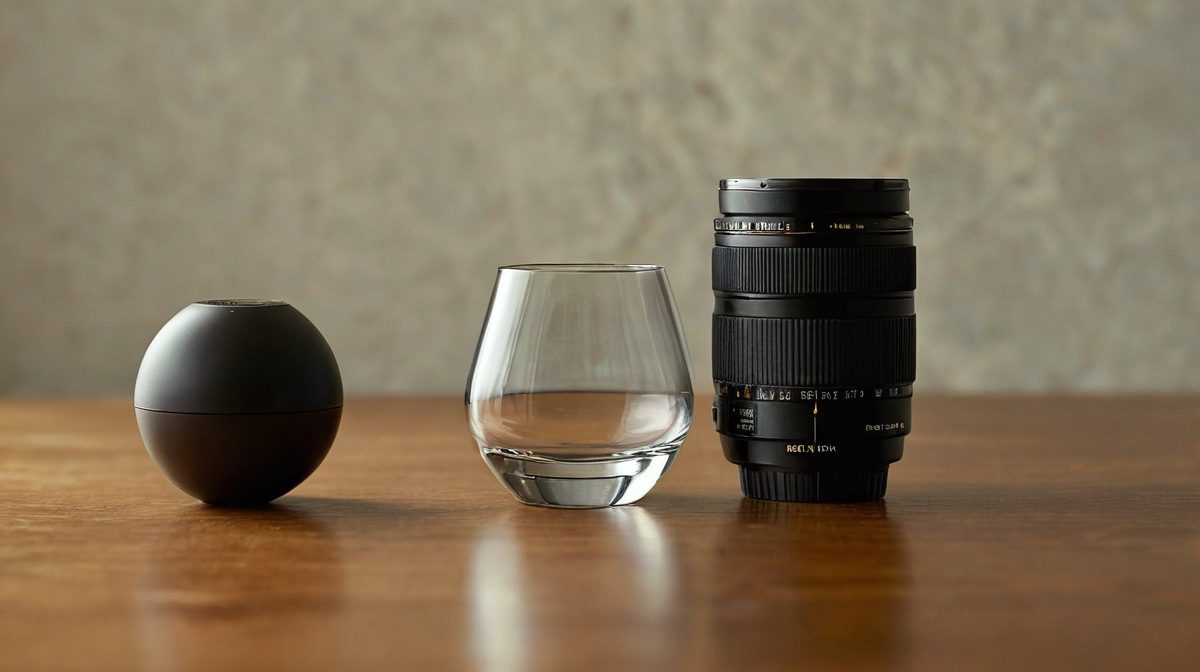
The genre has inherited a taste for very shallow focus from portraiture, and it fits badly.
A portrait has one subject, the eyes, and everything else can dissolve. A rope image usually has a structure that runs across the frame, and dissolving two thirds of it removes the thing the picture is about. Holding a single crossing sharp while the rest of the arrangement melts produces an image that looks expensive and says nothing.
The working rule is to keep the load bearing line sharp along its length and let genuine background fall away. That is often a middle aperture rather than a wide one, and the loss of background blur should be made up with distance from the wall and with light, which are more controllable anyway.
Choosing on purpose
None of this amounts to a recommended lens, because the honest answer depends on the room. What it amounts to is an order of decisions: work out how much distance the space allows, choose the longest lens that fits in it, then arrange the figure so nothing important is projecting straight at the camera.
That third step is a conversation rather than a camera setting, and it happens with two other people who need to know why they are being asked to turn a shoulder. Getting it agreed in advance rather than negotiated mid session is part of what planning the session is for.
Questions readers ask
What focal length suits rope photography?
For a whole figure, something in the short telephoto range renders proportion the way a viewer expects and keeps the background quiet. For detail work, a lens that focuses close matters more than its focal length. Wide lenses are worth having for the situations where the room leaves no choice, but they should be a response to a constraint rather than a preference, because used close they distort exactly the parts of a bound figure that are nearest the camera.
Why do my rope photographs look distorted?
Almost always because the camera was close and the lens was wide. Proximity, not focal length, causes the enlargement of near features, and a wide lens simply lets you get close enough for it to become obvious. A bound figure is frequently arranged with one limb projecting towards the camera, which is the worst possible subject for the effect. Step back and use a longer lens for the same framing and the problem disappears.
Does aperture matter much for this subject?
Less than people hope. A very shallow depth of field will hold one crossing sharp and lose the rest of the arrangement, which defeats the point if the picture is about a line running across a body. Stopping down enough to keep the structural line sharp from end to end is usually the right call, and background separation is better solved with distance and light than with blur.
A shoot is three people and a lot of talking
Technique is the cheap part of an image like this. The collaborators are the expensive part, and they are found in rooms, not in tutorials.
Find the people