Collaboration
Three authors, one image
By Tomas Berg, Rope photographer Published 26 July 2026
A rope photograph has three authors: the model, the rigger and the photographer. The good frames come from people who agreed beforehand what the picture is for, where it may appear and who has approval over it, and who break often enough that nobody is holding a position on willpower alone. Time pressure is visible in a face and no amount of retouching removes it, which makes pacing a craft decision rather than a courtesy.
This site writes about rope as an image, and it publishes no tying instructions: no steps, no named ties given as method, nothing to follow. Rope on a body carries real physical risk, and anyone who wants to learn it should learn in person, slowly, from experienced teachers.
A rope photograph is credited to a photographer. It was made by three people, and the difference between a picture that holds up and one that does not usually has more to do with the other two than with the camera.
Three authors, not one author and two assistants
The photographer decides the frame, the light and the moment. The rigger decides the shapes, the lines the picture will contain and where the weight goes. The model decides what the image is actually about, because the face and the carriage of the body are where a viewer looks first and where anything false is detected immediately.
Treating any of these as service roles produces predictable damage. A rigger working to please a photographer builds arrangements that look impressive and photograph as clutter. A model treated as a surface holds a position obediently and gives nothing to the frame. A photographer treated as a technician documents somebody else’s evening. Pictures made this way are competent and inert, and there are a great many of them.
The conversation before anyone opens a bag
The useful version of this conversation happens days earlier, not in the doorway. It covers what the picture is for, which is the question everything else follows from. An image intended for a portfolio, an image intended for a magazine and an image intended to sit on a personal account are different objects with different risks attached.
From there: whether a face will be identifiable, and if so whether that is acceptable in every context the image might reach. Which platforms are agreed and which are excluded. Who holds approval over the selection, and whether approval means a veto or a consultation. What happens if someone changes their mind six months later, which people find awkward to raise and are always glad they raised.
Doing this in advance is not only an ethical matter. It is a practical one. Every question left open turns up later, usually at the point when the model is tired, partly restrained and least placed to negotiate anything.
Time shows in the face
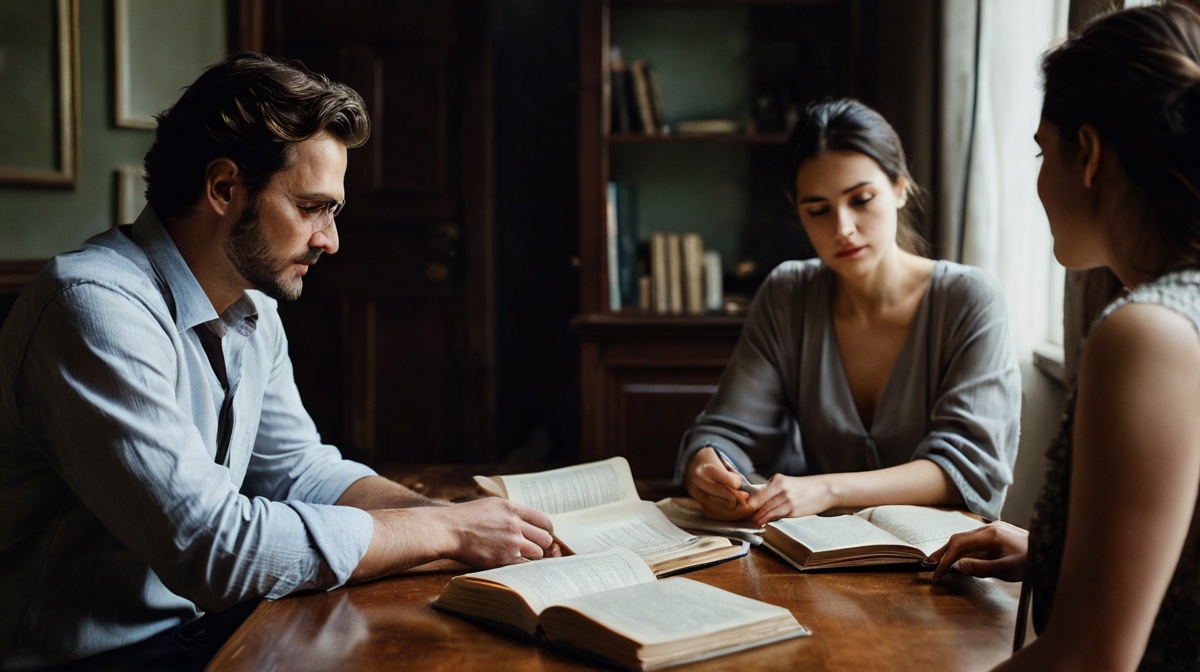
There is a look that appears when a session has run too long, and once you can see it you cannot stop seeing it. It sits around the eyes and the jaw: a slight fixity, a hardness in the mouth, a gaze that has gone somewhere else. It is the face of somebody managing rather than participating.
Viewers register it without knowing what they are registering. They describe such pictures as uncomfortable, or say something is off, and they are right. The image records the fact that the person in it was enduring the process of being photographed.
The fix is at the front of the session. Shoot the frames you care about early, when everyone is fresh and the arrangement is new. Shooting for an hour to get somewhere and then taking the picture is the wrong order, and it is the order most inexperienced crews use.
Calling a break is a craft skill
Breaks are usually discussed as safety, which they are. They are also a technical instrument, and treating them as one changes how often they get called.
A short break resets posture and expression. It gives the photographer time to look at what has been captured rather than continuing on assumption. It lets the rigger see the arrangement with fresh eyes and change something that was not working. Sessions with frequent breaks produce more usable frames per hour than sessions that grind on, even though they contain fewer minutes of shooting.
The responsibility for calling them should not rest only with the person least able to speak. A model deep in a session may not want to interrupt something that appears to be going well, so the other two need to be watching and calling breaks themselves, at intervals, without being asked. Anyone who can say stop and be immediately believed will use the word less often, which is the point.
Approval and usage, settled beforehand
Put it in writing. It does not need a lawyer and it does not need to be long. A page covering permitted uses, whether the face may be identifiable, who signs off on the selection, and what withdrawal looks like will cover almost every situation that arises.
Writing it down has a side effect people underestimate. It converts a set of assumptions into a set of decisions, and in doing so it surfaces the disagreements while everyone is still dressed and calm. Crews who have done this once tend to keep doing it, because the shoot itself becomes noticeably easier: nobody is quietly wondering where the pictures will end up.
Why trust is visible
The best frames in this genre come from people who have worked together repeatedly, and the reason is not that they have become more skilled. It is that a body held by someone it trusts settles differently. The shoulders drop. The breathing slows and deepens. The expression stops being managed and becomes simply present, which is the thing every rope photograph is trying to capture and the one thing that cannot be directed.
That settling is why the same rigger and model pair keep producing pictures a stranger cannot match with better equipment. It is also why the preparation described here is a craft matter and not merely good manners. The technical side of the image, covered in lighting rope for photography, can be learned in a few months. This part takes as long as it takes.
Questions readers ask
What should be agreed before a rope shoot?
Four things, and preferably in writing. What the images are for, which platforms or publications they can appear on, whether a face will be identifiable, and who holds approval over the final selection. Adding a fifth is sensible: what happens if someone changes their mind afterwards. Settling all of this before anyone opens a bag removes the awkward conversation from the moment when the model is least able to have it.
Why do rope photographs so often look tense in the wrong way?
Usually because the session ran long before the frame was taken. Sustained discomfort produces a specific set of small signals around the eyes and jaw that read as endurance rather than as intent, and viewers detect it without being able to say why. Shooting earlier and breaking more often fixes it. Retouching does not.
Who owns the images from a collaborative rope shoot?
Copyright and usage are separate questions and both should be answered before the shoot rather than after. The photographer usually holds copyright by default in most jurisdictions, but usage can be shared or restricted by agreement, and the model has a legitimate interest in where an identifiable image of them appears. A short written agreement covering approval, permitted platforms and withdrawal is normal practice and protects everyone.
A shoot is three people and a lot of talking
Technique is the cheap part of an image like this. The collaborators are the expensive part, and they are found in rooms, not in tutorials.
Find the people